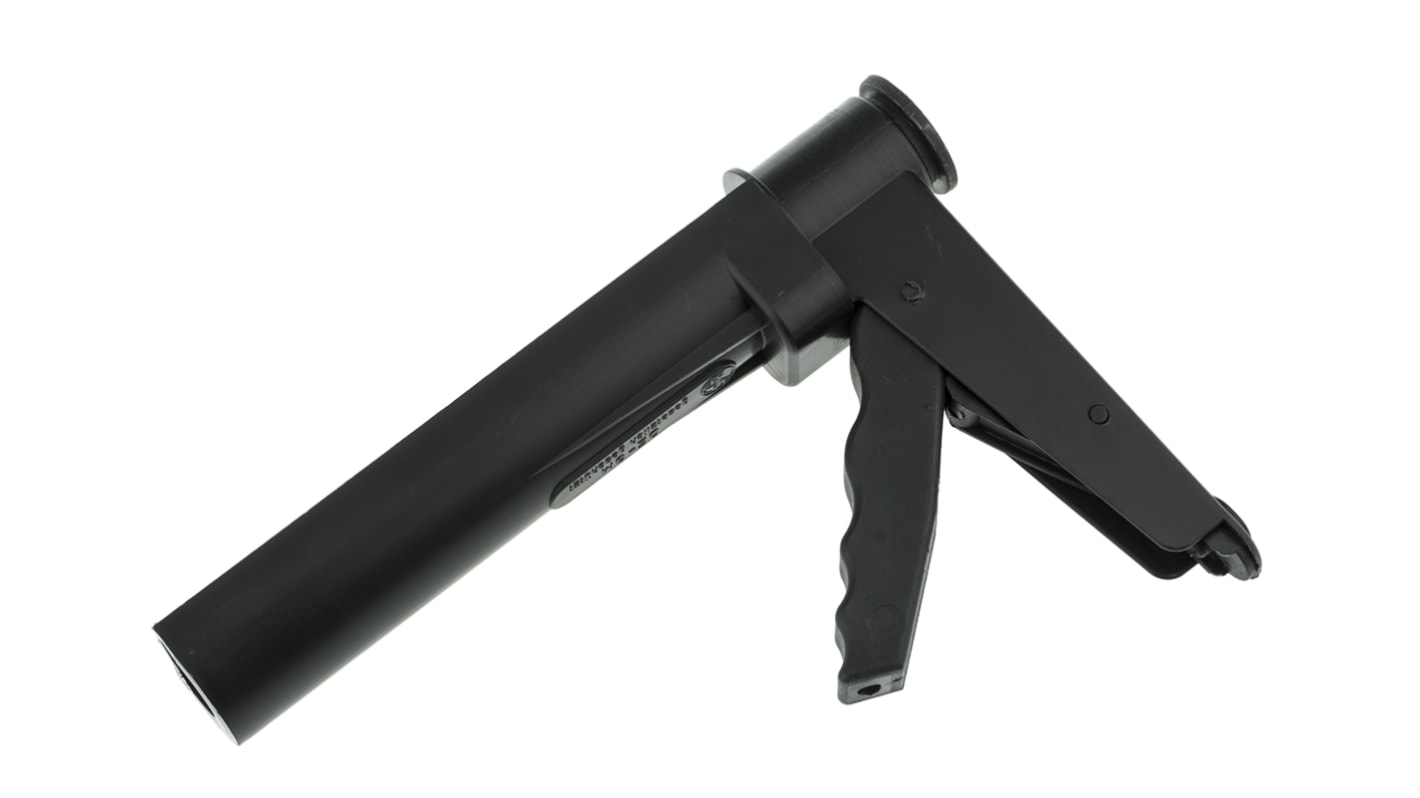
Electrolube Adhesive Syringe Gun 75ml Syringe 75ml
- RS-stocknr.:
- 725-9984
- Fabrikantnummer:
- TCRGUNB
- Fabrikant:
- Electrolube

Momenteel niet beschikbaar
We weten niet of dit item nog op voorraad komt, RS is van plan dit binnenkort uit ons assortiment te halen.
- RS-stocknr.:
- 725-9984
- Fabrikantnummer:
- TCRGUNB
- Fabrikant:
- Electrolube
Specificaties
Datasheets
Wetgeving en compliance
Productomschrijving
Zoek vergelijkbare producten door een of meer kenmerken te selecteren.
Alles selecteren | Attribuut | Waarde |
|---|---|---|
| Merk | Electrolube | |
| Product Type | Adhesive Syringe Gun | |
| Sub Type | Adhesive Gun | |
| Volume | 75ml | |
| For Use With | 75ml Syringe | |
| Standards/Approvals | No | |
| Alles selecteren | ||
|---|---|---|
Merk Electrolube | ||
Product Type Adhesive Syringe Gun | ||
Sub Type Adhesive Gun | ||
Volume 75ml | ||
For Use With 75ml Syringe | ||
Standards/Approvals No | ||
Electrolube Dispensing Gun
A compatible dispensing gun for use with the following Electrolube thermally conductive adhesives:
Oxime 75ml syringe (7259975)
Ethoxy 75 ml syringe (7259971)
Application
Thermal adhesives are a type of thermally conductive adhesive used to secure heat sinks and electronic components. Thermal adhesives are available in a number of mediums such as thermal paste, glue, tape and more. They work by creating a strong bond for heatsinks or electrical parts commonly via a two-part epoxy resin with thermal conductivity capabilities, drawing heat away from a device. Thermal adhesives are used in a variety of industries and applications such as:
• Heat sink bonding
• Potting/encapsulating sensors
• BGA die heat spreader interface
• Chip scale packages
• Power semiconductors
How To Apply
Before applying, ensure surfaces are clean and free from grease, dust and contaminants. Insert the adhesive tube into the Electrolube application gun, which dispenses the product, providing efficient and accurate dispensing. Apply a thin layer of the adhesive to the components required for bonding, before leaving the product to cure for the recommended time of 24 hours as 20°C.
Note: Curing rate is dependent upon ambient conditions of temperature and humidity.
Standards
RoHS Compliant (2002/95/EC)